
Have you ever experienced a small bump on your skin that felt rough, hard, and grainy to touch? Chances are you have warts. Let’s understand the different types of warts that can appear on different body parts.
Warts have a funny way of showing up uninvited on your hands, feet, and even on your face when you least expect them. They’re common, harmless in most cases, yet undeniably annoying. Understanding their types and where they tend to appear helps you manage and treat them early.
Let’s walk through the different types of warts and where they appear in a simple yet practical way.
Different Types of Warts Explained: A Complete Guide to Identification & Common Areas
1. Common Warts (Verruca Vulgaris)
When talking about different types of warts, the first one is common warts. They are rough, dome-shaped, and often feature small, round, black dots. They typically appear on fingers, knuckles, knees, and around nails.
Where they appear:
Hands
Fingers
Around nails
What they look like:
Rough, grainy surface
Dome-shaped
May have tiny black dots that look like a seed.
2. Planter Warts (Verucca Plantaris)
Grow on the soles of the feet, often forced inwards by walking pressure. They look like calluses with dark, tiny spots.
Where they appear:
Heels
Balls of the feet
What they feel like:
Hard, flat growths
Pains when walking (feels like stepping on a pebble)
They can become quite large and cause pain when you stand or walk.
3. Flat Warts (Verucca Plana)
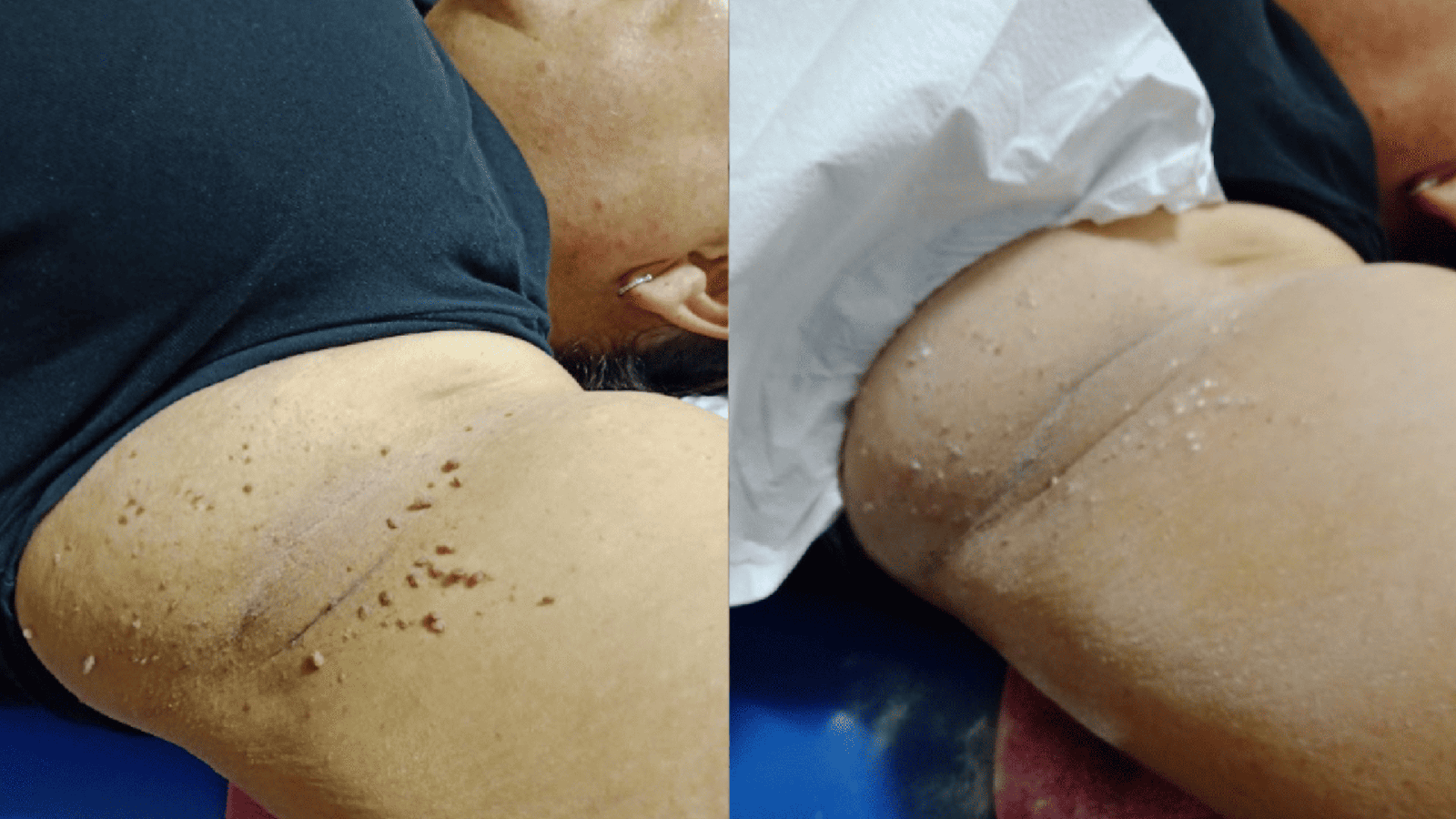
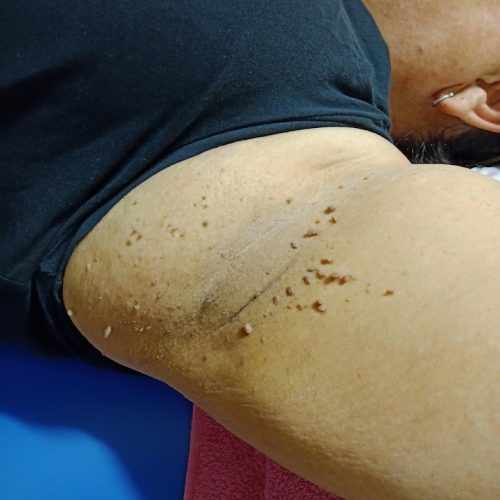
These warts can develop anywhere on the body. They are smaller, smoother, and flat-topped than other warts and tend to appear in larger numbers, like 20 to 100 at a time.
Where they appear:
Face
Neck
Arms
Legs
What makes them unique:
Flat-topped and slightly raised
Skin-coloured or slightly brown
It can spread quickly if scratched
If you shave regularly, you might notice tiny bumps on your jawline. These are often flat warts.
4. Filliform Warts (Veruccs filliformis)
They are fast-growing, thin, thread-like projections that commonly appear on the face, particularly around the eyelids, lips, and nose. These are easy to spot because of their unusual shape.
Where they appear:
Around the mouth
Nose
Eyes
Other areas on the face
Appearance:
Long, thread-like projections
Flesh-coloured
Fast-growing
They don’t usually hurt, but their location makes them cosmetically concerning.
5. Periungual Warts
They develop as thick, cauliflower-like skin around or under fingernails and toenails, which can become painful and interfere with nail growth.
Where they appear:
Around fingernails
Around toenails
Common signs:
Thick, rough texture
Can cause nail distortion
Often seen in nail-biters
Practical Tips to Manage and Prevent Warts
If you have warts, here are some practical tips to manage and prevent them from spreading.
Do’s:
Keep the affected area clean and dry
Cover cuts and warts to prevent spreading
Wash your hands after touching them
Wear flip flops in public showers, locker rooms, and pool decks
Don’ts:
Don’t pick or scratch warts
Avoid biting nails
Avoid sharing personal items like towels or razors
Don’t rely on random home remedies without guidance
Pro Tip: If a wart changes colour, grows or spreads rapidly, or becomes painful, it’s time to consult a specialist.
Treatment Options: What Actually Works
Common Treatment options for different types of warts include:
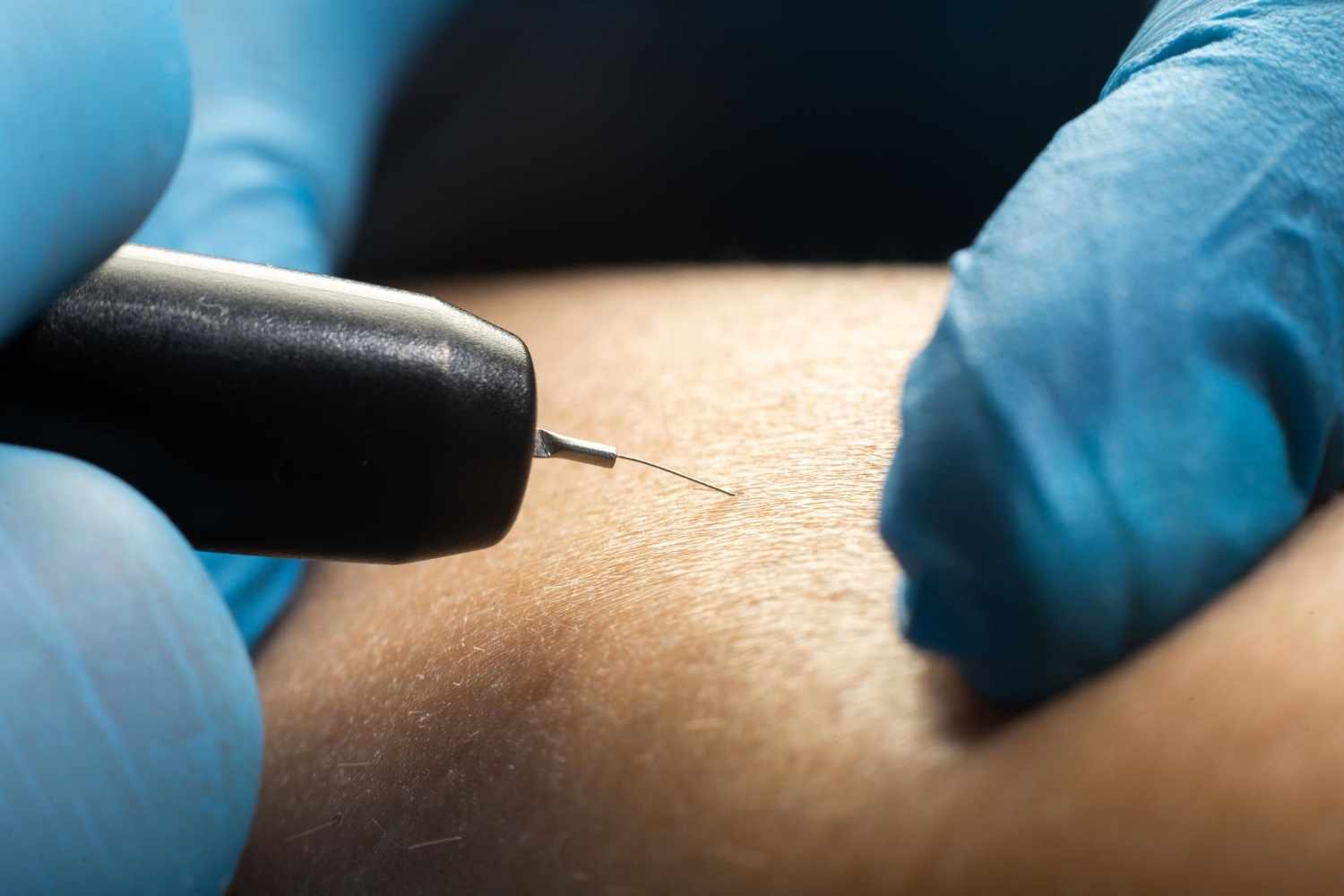
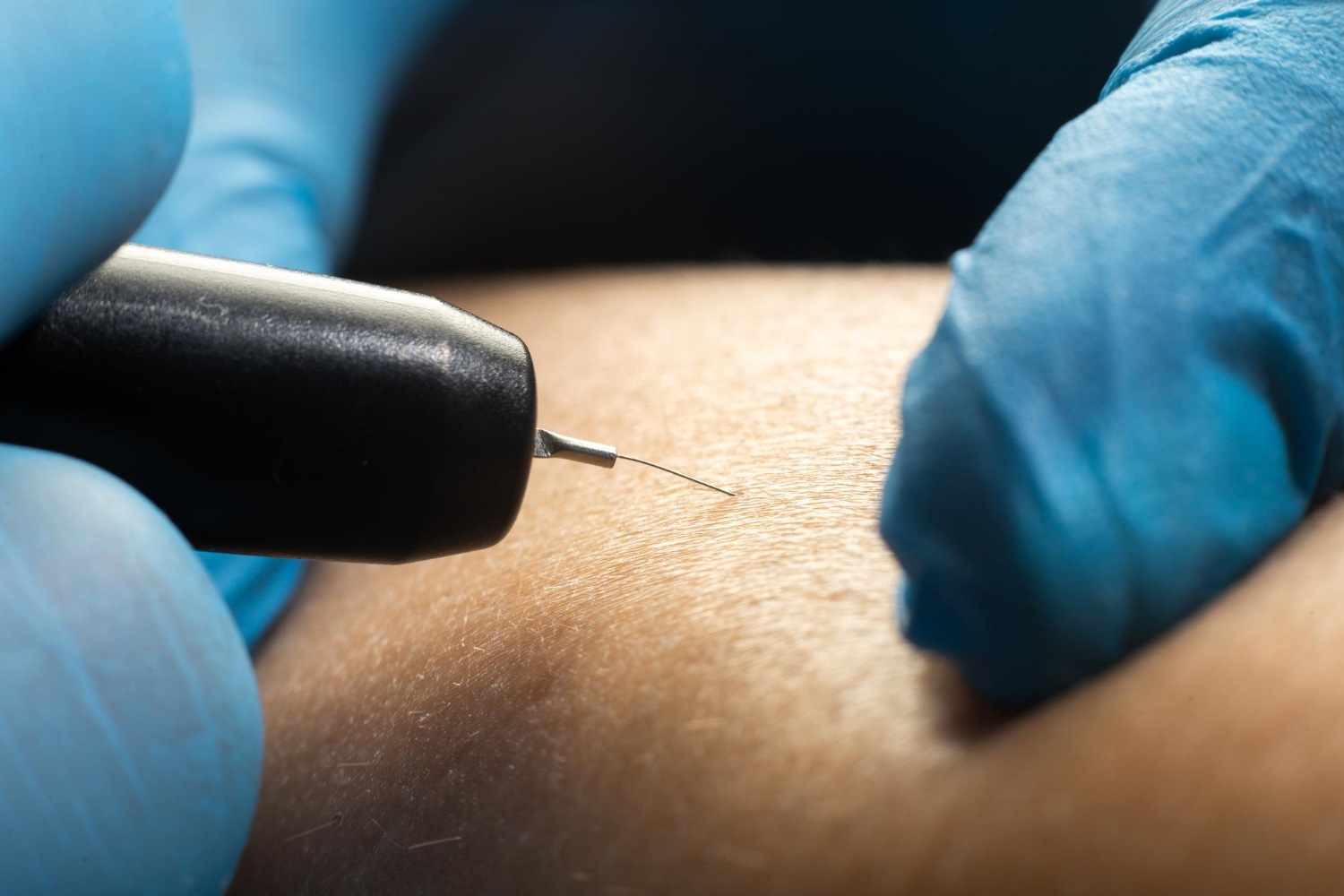
1. Advanced Electrolysis: It is highly effective, as it uses a fine probe to cauterise and destroy the wart tissue and its blood supply.
2. Laser Therapy: A pulsed dye laser can be used to burn off the warts and destroy the blood supply that feeds them.
3. Cryotherapy: It is the most common method that uses liquid nitrogen to freeze and kill the wart tissue, causing it to fall off in a week.
The Bottom Line
Understanding the different types of warts is the first step towards effective treatment. Whether it's a stubborn planter wart or a cluster of warts on the face, early diagnosis can save time, discomfort, and frustration.
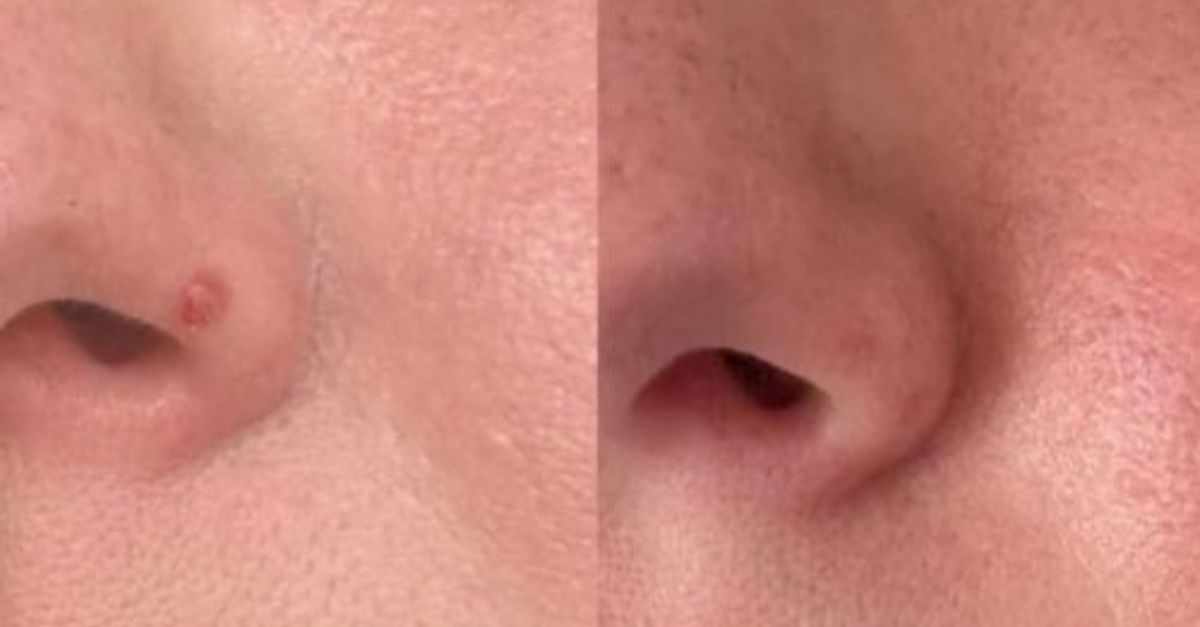
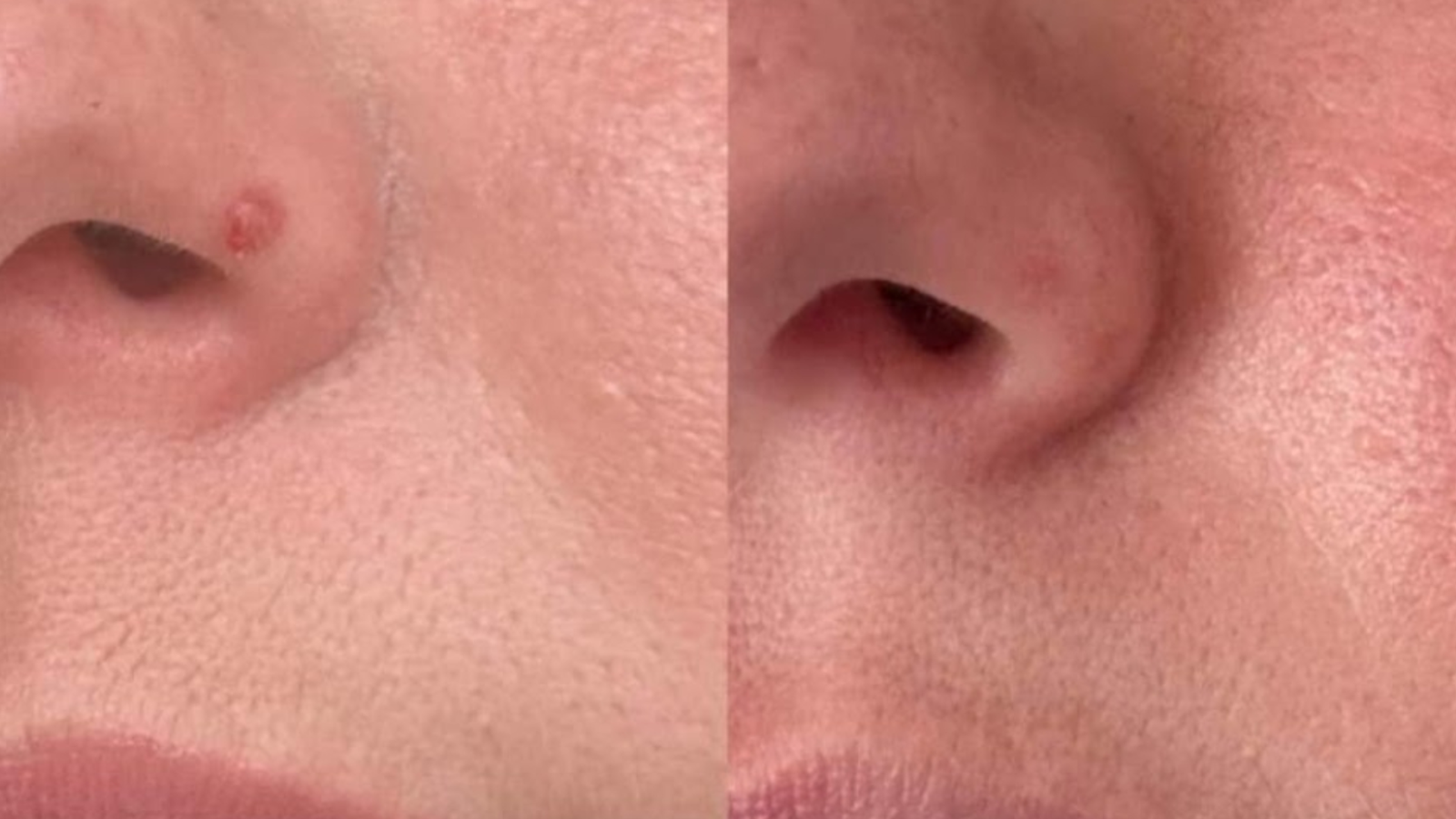
At A.H. Advanced Skin Specialist, we offer precise wart removal in Milton Keynes using advanced electrolysis, a specialised technique that treats minor skin lesions without the risk of scarring.
Ready to get rid of unwanted warts? Book a consultation with A.H. Advanced Skin Specialist today and take a step towards achieving healthier and clearer skin.
Disclaimer: This content is for informational purposes only and is written by a professional content writer. Contact us to learn more about different types of warts!

Write a comment ...